







UrbanShift
The Sustainable Cities Impact Program with the brand name UrbanShift was launched by the Global Environmental Facility in 2016. Under its 7th financing round the UrbanShift Country Project is being implemented through a partnership between the National Institute of Urban Affairs and the United Nations Environment Programme .
UrbanShift aims to transform cities through integrated urban planning and investments in innovative sustainability solutions through knowledge exchange and capacity development.


Significance of Key Focal Areas
Demonstrating low emissions, resilient, nature-based inclusive sustainable urban development in selected cities and support scale-up nationally

The Indian transport sector is responsible for
13.5%
Of India’s energy-related CO2 emissions,
As a signatory to the Paris Agreement, India has committed to reducing the emissions intensity of its GDP by 33 to 35 percent below 2005 levels by 2030 and a net zero emissions target by 2050
India’s metro network is the 4th longest in the world, behind china, usa and south korea
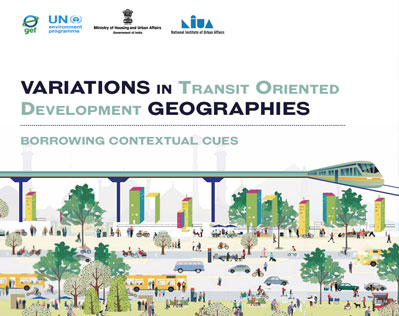
Households in Transit Oriented Developments (TOD) travel 45 per cent less than residents of automobile-dependent neighbourhoods. However, by the year 2019, only half of the world's urban population had convenient access to Public Transport

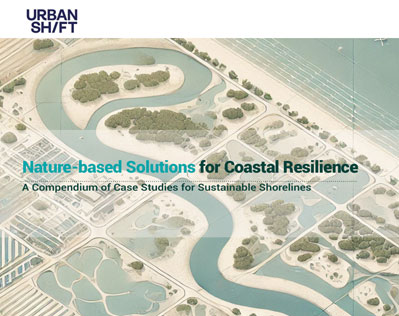
Having a coastline of about 7500 km, India ranks 18th in terms of coastline length
76%
Of the Indian Coastline, Close to 5700 Km, Is Highly Vulnerable to Natural Hazards Such as Cyclones and Tsunamis.
Each year, nearly
2-3
MILLIONpeople in India are compelled to relocate from coastal regions to inland areas due to factors like sea-level rise and increased frequency of extreme weather events
India’s ten coastal states are adding over 1,500 km of new evacuation roads, 30 bridges to better connect vulnerable communities, and 200 km of improvements to existing coastal embankments .
UrbanShift gives a clarion call to expedite actions and initiatives for sustainable transport, aiming to address climate change and enhancing the lives of millions worldwide.
Additionally, UrbanShift champions the transformative potential of Non-Motorised transport (NMT) as a crucial strategy for decarbonising the transport sector. Embracing NMT will not only reduce the carbon footprint but also foster healthier and vibrant communities, promote active lifestyle and physical well-being, and contribute to sustainable and equitable urban development.
Let us make conscious travel choices that propel us towards a future where our streets are back to being what they should be - free of polluting vehicles and bustling with pedestrians and cyclists!

RESOURCES

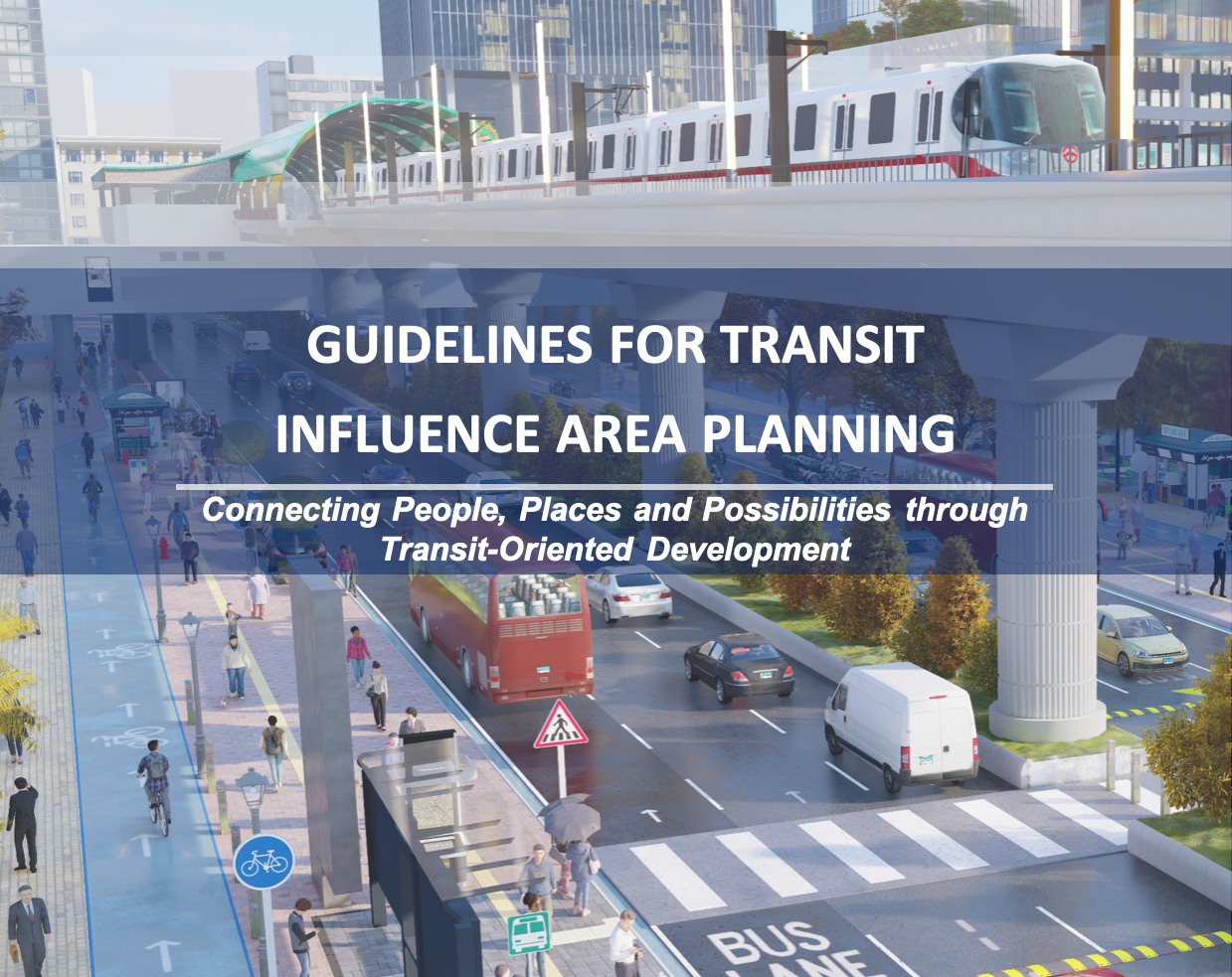
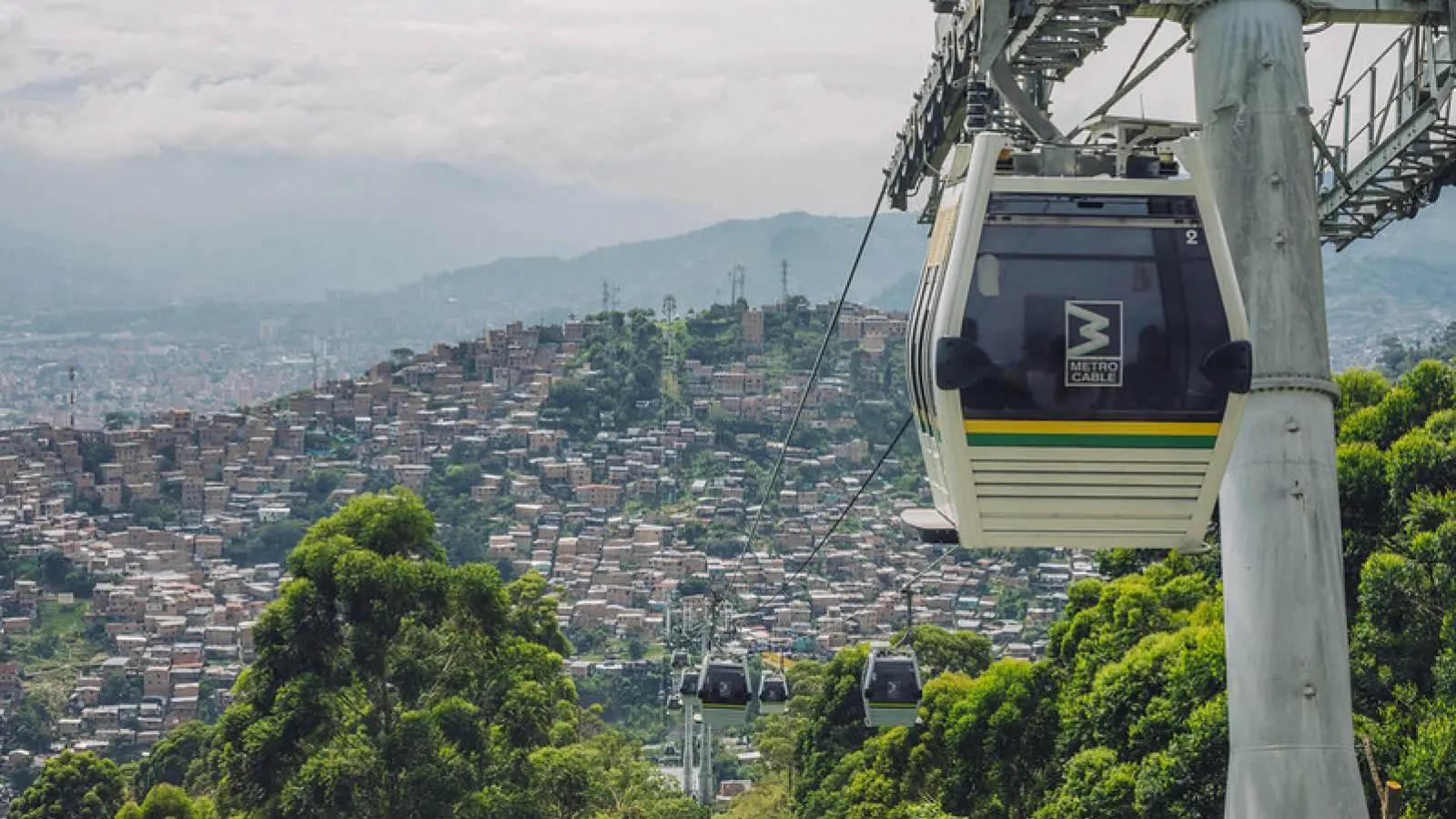
Integrated Climate Action Planning - Urbanshift Academy
Cities are at the forefront of the climate crisis. In this course, you will learn how cities can tackle climate change and build a more sustainable and just future. Explore how to develop a science-based climate action plan, inspired by the experiences and best practices of cities around the world
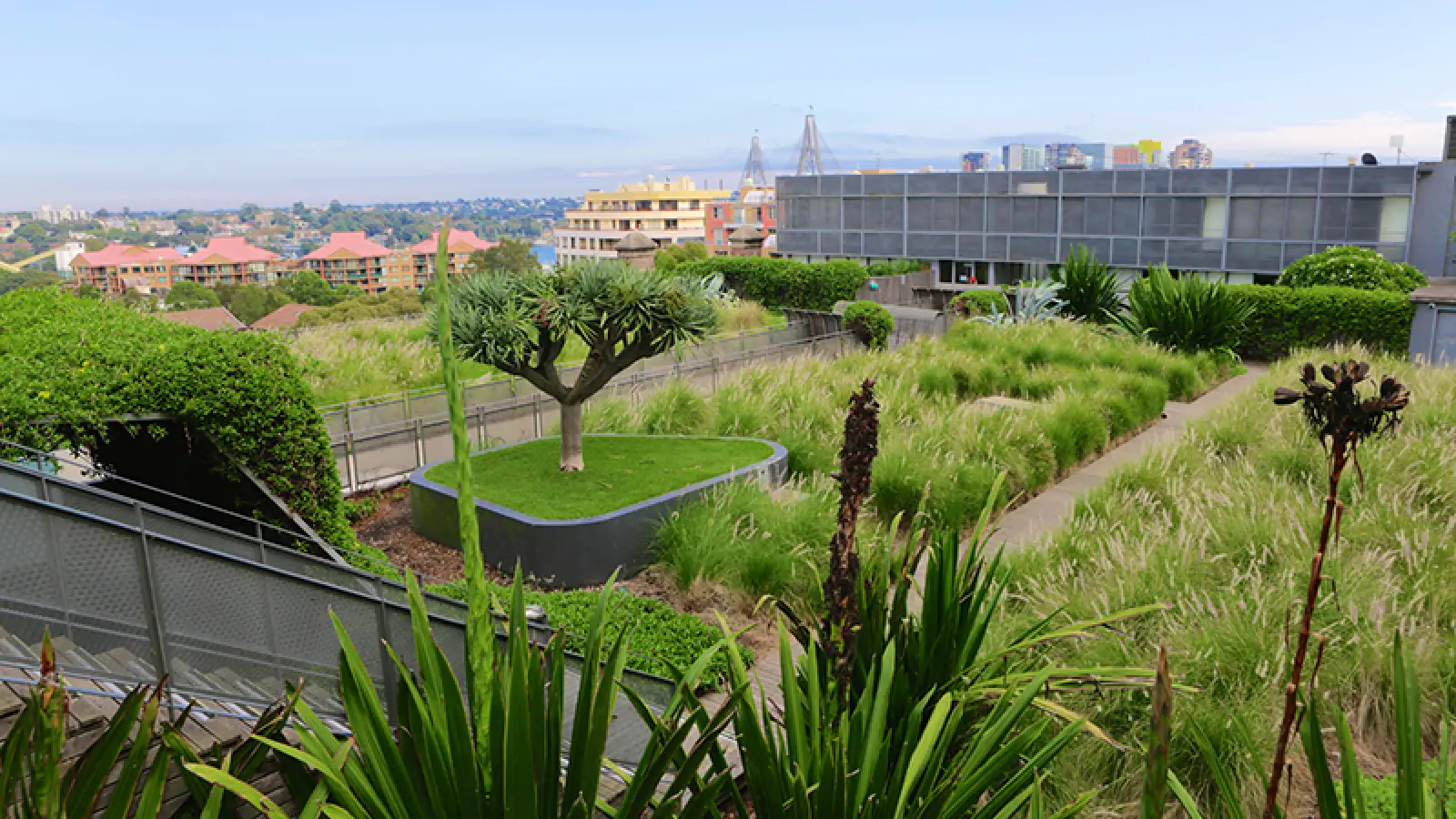
Application of Nature-based Solutions- UrbanShift Academy
Explore how cities around the world are turning to Nature-based Solutions to tackle some of their most pressing challenges. Find out about the key elements needed to implement contextually appropriate, multifunctional and cost-effective Nature-based Solutions in global South cities.

Circular economy - UrbanShift academy
Initiating a circular economic system in cities can bring a wealth of economic, social, and environmental gains. A circular model reduces costs and eliminates waste while fostering economic productivity and green, local jobs. In this course, learn how your city can benefit from moving away from the “take-make-waste” economic system and implementing circular strategies.