



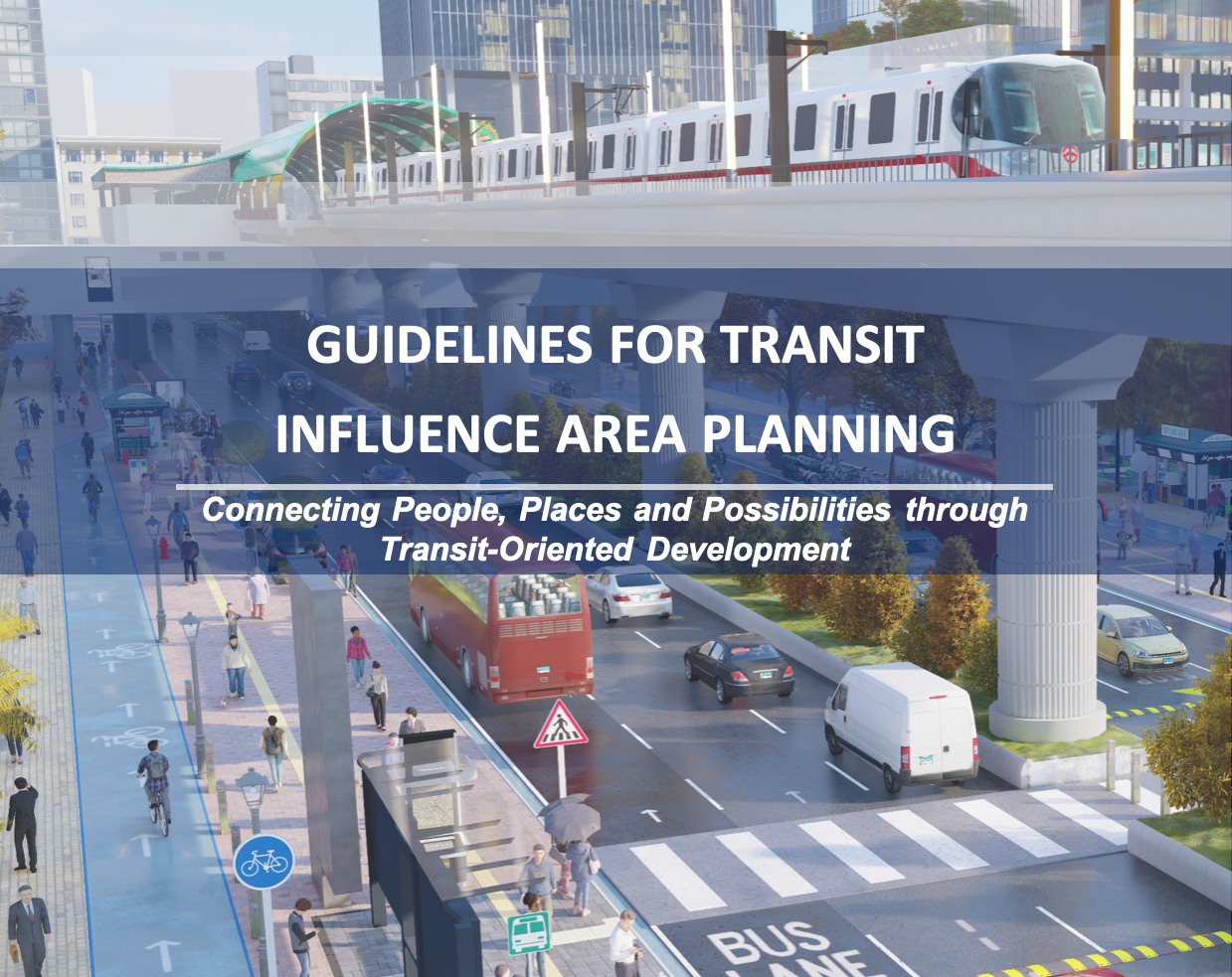
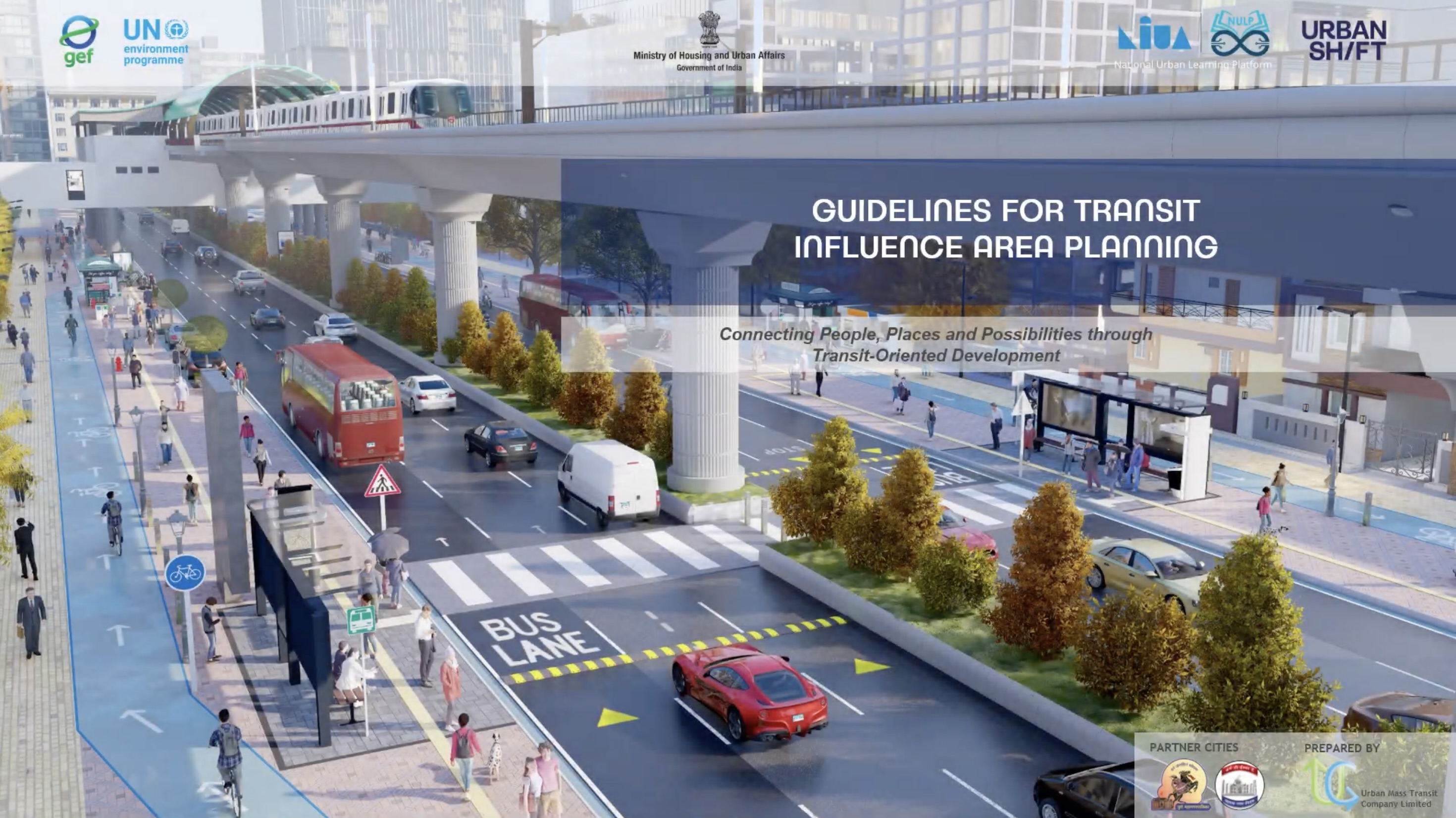
Guidelines for Transit Influence Area Planning
Connecting People, Places and Possibilities throug...



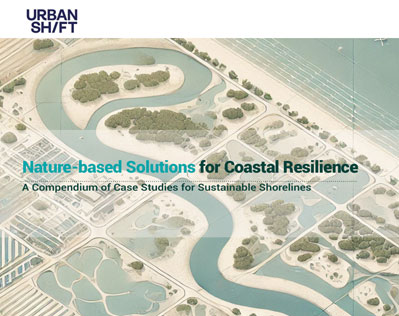
The compendium of Nature-based Solutions (NbS) for coastal resilience brings together 17 international case studies that showcase how NbS can strengthen coastal resilience by emphasising on the urgent need for sustainable and adaptive approaches to protect coastlines amid growing threats like sea-level rise, extreme weather, and ecosystem degradation linked to climate change.
This document explores how natural ecosystems such as mangroves, coral reefs, salt marshes, sand dunes, and living shorelines can act as buffers against coastal hazards while offering a range of additional benefits, from storing carbon and supporting biodiversity to sustaining livelihoods. Each case study offers insights into the local context, interventions adopted, key stakeholder’s involvement in the project, and the overall social, environmental, and economic outcomes.
In addition to these case studies, the compendium is designed to support UrbanShift partner cities and other Indian coastal cities, raising awareness about challenges faced by coastal communities due to climate change, such as rising sea levels, storm surges, and erosion. It also addresses common challenges faced in adopting NbS, particularly around funding mechanisms and shortage of skilled workforce. It underscores the importance of inclusive, community-led planning to ensure shoreline protection by equipping policymakers, urban planners, and practitioners with strategies to adopt sustainable and ecologically balanced shoreline management approaches.
This Compendium will serve as a reference for training programs and educational initiatives organised under the project, fostering the adoption of sustainable NbS approaches in coastal resilience planning.
Connecting People, Places and Possibilities throug...

Through the application of Nature-based Solutions...

Cities are at the forefront of the climate crisis....

Explore how cities around the world are turning to...
As cities increasingly adopt digital solutions, th...